How to Identify Common Lawn Pests and Effective Prevention Strategies
A healthy lawn can quickly turn into a patchy, damaged mess when pests invade. Identifying common lawn pests early helps protect your grass and keeps your outdoor space looking its best. This guide explains how to spot the most frequent lawn pests and offers practical ways to prevent them from causing harm.
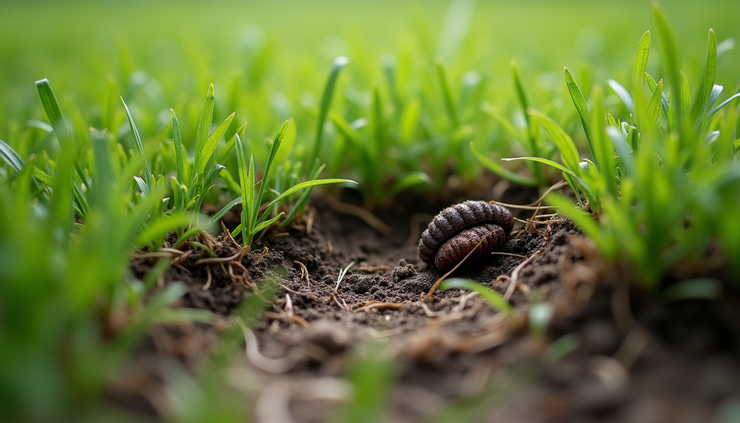
Signs of Common Lawn Pests
Lawn pests often leave visible clues before you see the insects themselves. Watch for these signs:
Brown patches or thinning grass: This can indicate grubs feeding on roots underground.
Chewed or ragged grass blades: Cutworms and armyworms feed on grass blades, leaving irregular edges.
Raised or sunken areas: Ant hills or mole activity can create uneven ground.
Presence of insects: Look closely for beetles, caterpillars, or ants crawling on the grass.
Knowing what to look for helps catch infestations early, making treatment easier and more effective.
Common Lawn Pests and Their Impact
Here are some of the most frequent pests that damage lawns:
Grubs: These white larvae live underground and eat grass roots, causing the turf to die and lift easily.
Chinch Bugs: They suck sap from grass blades, leading to yellow or brown patches.
Armyworms and Cutworms: These caterpillars chew on grass blades, often active at night.
Sod Webworms: Larvae that feed on grass leaves and stems, leaving brown spots.
Ants and Moles: While ants rarely harm grass directly, their tunnels can disrupt roots. Moles dig tunnels searching for insects, which can damage the lawn surface.
Each pest requires a slightly different approach for control, so accurate identification is key.
Prevention Strategies to Protect Your Lawn
Preventing pests is easier than fixing damage. Use these strategies to keep your lawn healthy and pest-free:
Maintain proper watering: Overwatering creates ideal conditions for grubs and fungal diseases. Water deeply but infrequently.
Mow at the right height: Cutting grass too short stresses it and makes it vulnerable. Keep grass at recommended heights for your species.
Aerate the soil: This improves drainage and root growth, making grass stronger against pests.
Use natural predators: Encourage birds, beneficial nematodes, and predatory insects that feed on lawn pests.
Apply targeted treatments: Use insecticides or organic options like neem oil only when necessary and follow label instructions carefully.
Regular lawn care reduces pest attraction and supports a resilient turf.
Monitoring and Early Action
Check your lawn weekly during growing seasons. Early detection allows you to act before pests spread widely. If you notice damage or pests, identify the culprit and choose the appropriate control method. Combining cultural practices with targeted treatments offers the best results.
Healthy lawns resist pests better, so focus on building strong grass through good soil, proper watering, and mowing habits.


Comments