Top 5 Landscaping Trends Transforming Outdoor Spaces
Outdoor spaces have become more than just patches of grass or flower beds. They are now extensions of our homes, places to relax, entertain, and connect with nature. If you want to refresh your garden or yard, knowing the latest landscaping trends can help you create a space that feels modern, functional, and inviting. Here are the top five landscaping trends that are shaping outdoor spaces today.
1. Sustainable and Native Plant Landscaping
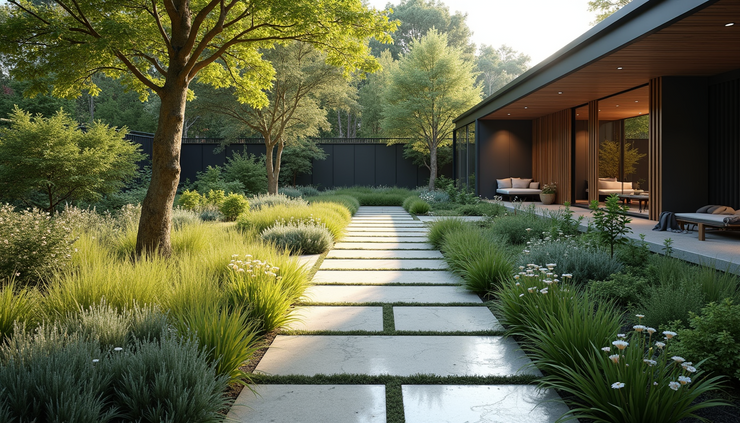
More homeowners are choosing plants that naturally thrive in their region. Native plants require less water, fertilizer, and maintenance, making them an eco-friendly choice. They also support local wildlife like bees and butterflies, which helps maintain a healthy ecosystem.
For example, in dry climates, drought-resistant plants such as lavender, sage, and ornamental grasses reduce water use while adding texture and color. In cooler regions, native ferns and wildflowers create lush, low-maintenance gardens.
Using native plants also means your garden will look good year-round without constant care. This trend helps reduce environmental impact and saves money on water bills and garden supplies.
2. Outdoor Living Rooms and Functional Spaces
Gardens are no longer just for plants. Many people are turning their outdoor areas into functional living spaces. This includes adding comfortable seating, fire pits, outdoor kitchens, and dining areas.
Creating an outdoor living room allows you to enjoy your garden in all seasons. For example, a fire pit surrounded by weather-resistant sofas invites friends and family to gather on cool evenings. Adding a pergola or retractable awning provides shade during hot days.
This trend focuses on comfort and usability, turning your garden into a true extension of your home. It encourages spending more time outside, which benefits mental health and social connections.
3. Natural Stone and Hardscaping Features
Hardscaping refers to the non-plant elements of landscaping, such as patios, walkways, retaining walls, and water features. Natural stone is a popular choice because it blends well with plants and adds texture and durability.
Using flagstone, slate, or cobblestones creates pathways that guide visitors through your garden. Retaining walls made of stone can help manage slopes and create raised beds for planting.
Water features like small ponds or fountains made from natural stone add a calming sound and attract birds. These elements make your garden more interesting and easier to maintain by reducing lawn areas.
4. Edible Gardens and Foodscaping
Growing your own food is gaining popularity. Edible gardens combine beauty with practicality by integrating vegetables, herbs, and fruit plants into the landscape.
Raised beds, vertical gardens, and container planting make it easy to grow fresh produce even in small spaces. For example, a kitchen garden with tomatoes, basil, and peppers near the back door makes cooking more convenient.
Foodscaping also encourages sustainable living by reducing the need to buy packaged produce. It connects people with the source of their food and can be a fun family activity.
5. Smart Irrigation and Outdoor Lighting
Technology is making outdoor care easier and more efficient. Smart irrigation systems use sensors and weather data to water plants only when needed, saving water and preventing overwatering.
Outdoor lighting has also evolved. LED lights with adjustable brightness and color create ambiance and improve safety. Solar-powered lights reduce energy use and are easy to install.
For example, motion-activated lights along pathways increase security, while soft string lights over a patio create a cozy atmosphere for evening gatherings.


Comments